
By Plumber in Fraser, MI, Fraser, MI · Published · Last updated
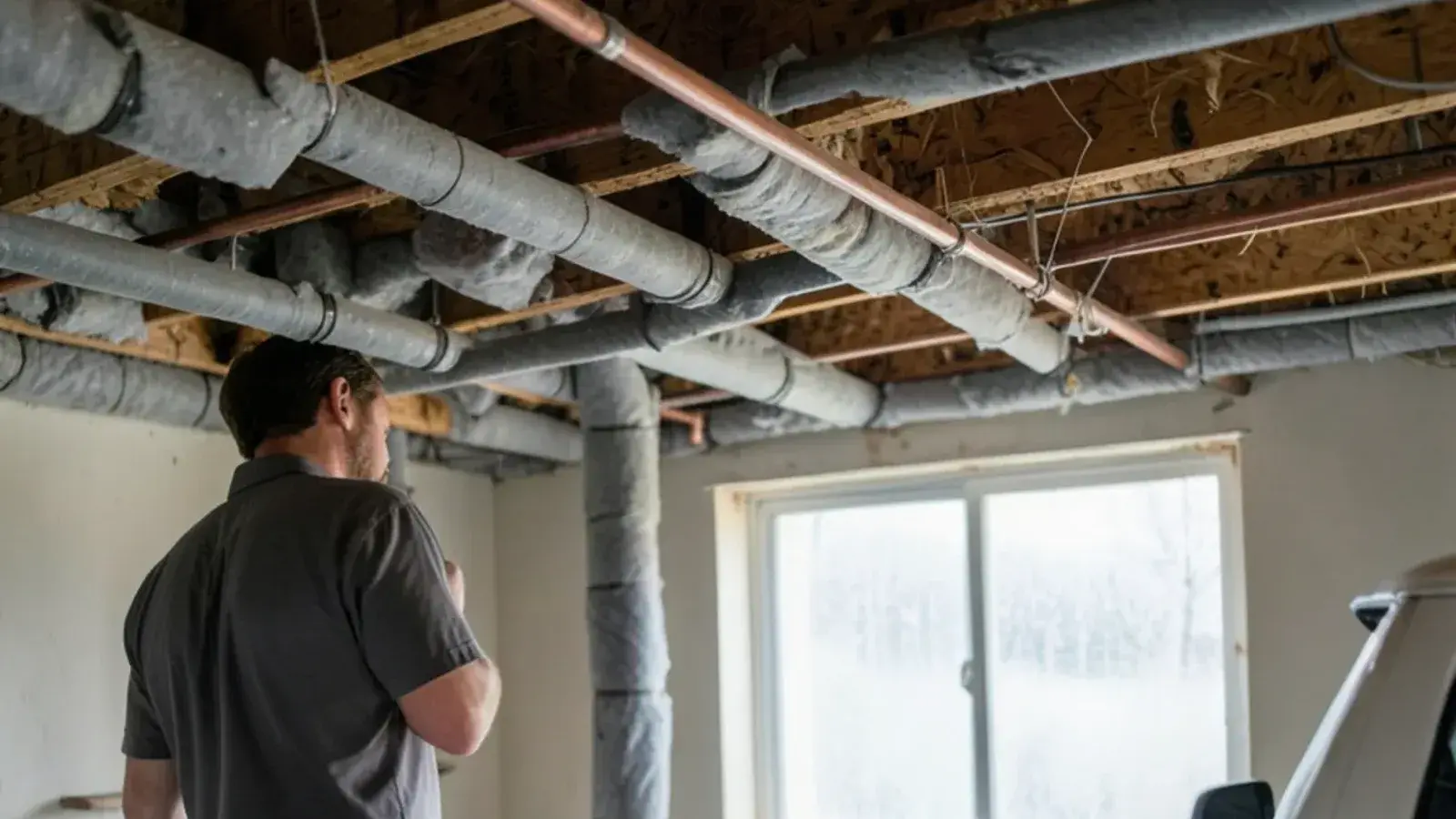
The way to keep pipes from freezing is less about the whole house and more about four or five specific spots. A heated basement in Clinton Township or Sterling Heights is warm in the middle and cold at the edges, and the edges are where the water lines run. Find those spots in the fall, and January gets a lot less stressful.
How cold it actually gets here
The National Weather Service's 1991–2020 normals for Detroit Metro Airport put January's average temperature at 25.8 degrees and its average low at 19.2. February isn't much better, at 28.0 and 20.8. Those are averages. The cold snaps are what break pipes.
In late January 2019, the National Weather Service in Detroit reported that Detroit spent 36 hours in a row below zero, with wind chills near or below 35 below for many hours. Wind matters here. A strong west wind pushes cold air through every gap in a rim joist or a sill plate, so a pipe on the windward side of a house can freeze in a basement that feels fine.
The ground matters less than people think. Michigan's residential code requires exterior footings to go 42 inches below grade so frost doesn't heave them. A water service buried at a normal depth sits down in that protected zone and rarely freezes. The trouble starts in the last few feet indoors, where the pipe runs past a drafty rim joist, an outside wall, or a crawl space.
Where pipes freeze first in Macomb County houses
Most of the frozen pipes we hear about are in the same handful of places. Use this table to walk your own house.
| Spot | Why it gets cold | What fixes it |
|---|---|---|
| Rim joist and sill plate | Thin wood and air leaks right above grade | Seal gaps, insulate the bay, sleeve the pipe |
| Kitchen sink on an outside wall | Closed cabinet traps cold air against the wall | Seal behind the cabinet; open doors in a cold snap |
| Hose faucet line | Short run through a cold wall to the outside | Shut the inside valve and drain it, or a frost-free faucet |
| Bathroom over a garage | Garage air is near outdoor temperature | Insulate the floor, keep the garage door closed |
| Crawl space under an addition | Vents and poor insulation under the floor | Close vents for winter, insulate the pipes |
| Line near a basement window or dryer vent | Cold glass or a leaky vent hood blows on the pipe | Seal the frame or vent, add pipe insulation |
A fall prep list you can finish in an afternoon
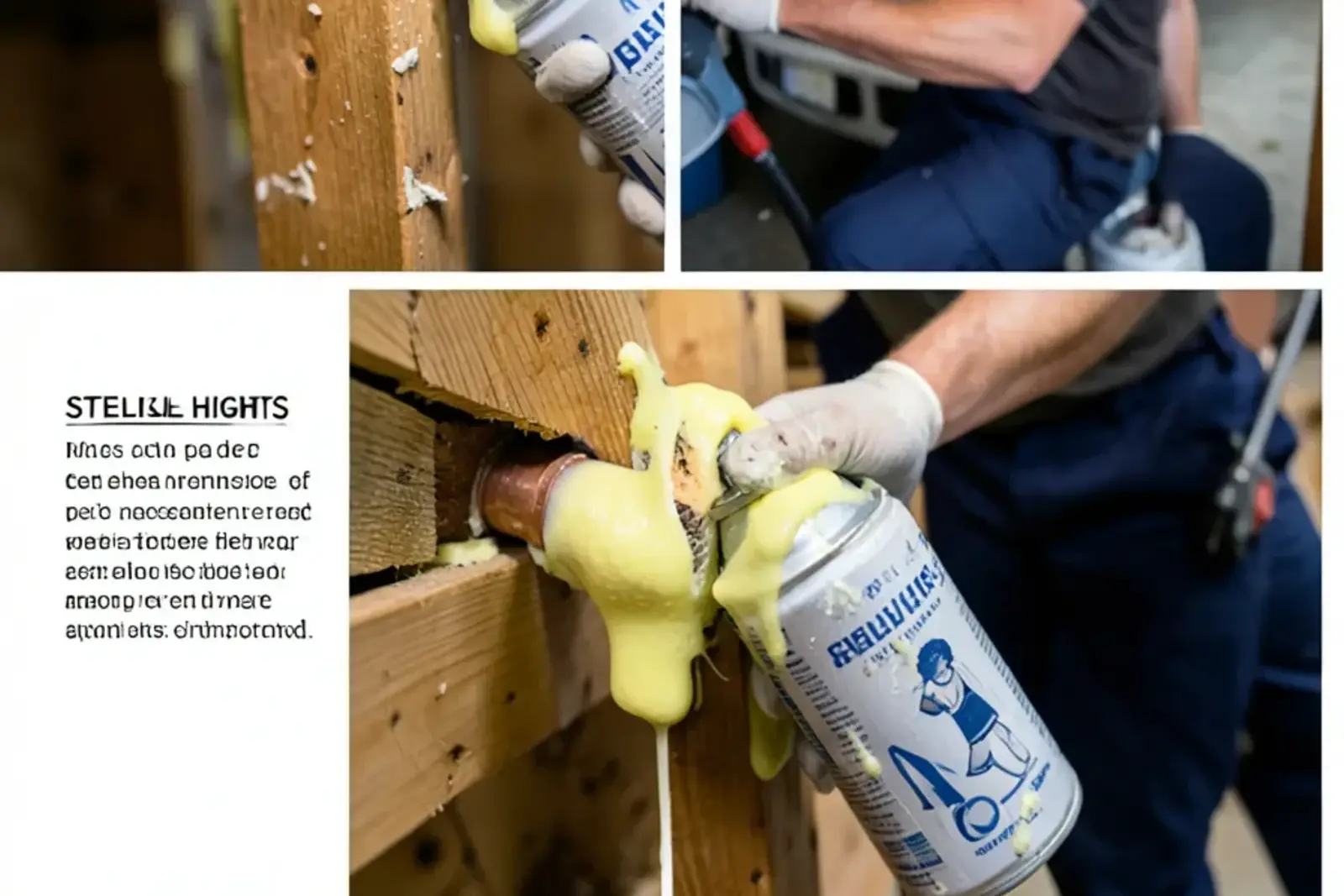
Seal the rim joist
Pull back the insulation in the joist bays where pipes run along the outside wall. Look for daylight, gaps around cable and pipe holes, and cracks at the sill. Seal them with foam or caulk, then put the insulation back.
Disconnect and drain the hoses
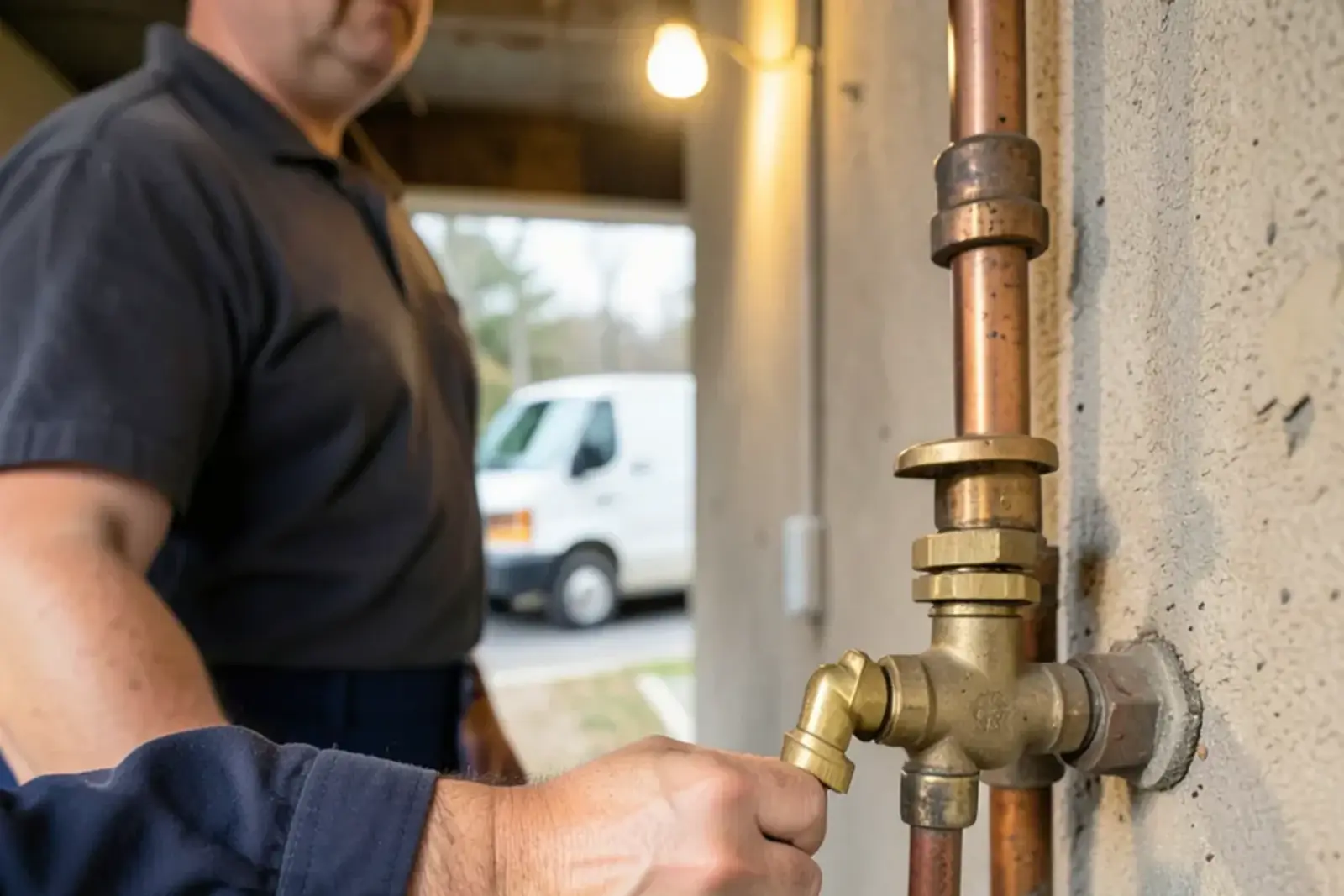
A hose left on an outside faucet holds water in the faucet body, and even a frost-free faucet can split that way. Take the hoses off, drain them, and store them. If your faucet has a separate shutoff inside the basement, close it and open the outside faucet so the short section drains.
Sleeve the cold runs
Foam pipe insulation is cheap and slides right on. Put it on every water line within a foot or two of an outside wall, in the garage, and in any crawl space. It slows heat loss. It doesn't make heat, so it works best combined with sealed air leaks.
Find your main shutoff now
Walk to the main valve beside the water meter and make sure it turns. If you ever need it, you'll need it fast.
What to do on the coldest nights
The American Red Cross gives a short list for severe cold, and it holds up well in a Michigan house:
- Keep the thermostat at the same setting day and night instead of turning it down overnight.
- Open sink cabinet doors on outside walls so warm room air reaches the pipes.
- Keep the garage door closed if any water lines run through the garage.
- Let a faucet on an exposed line run at a trickle.
- If you leave home, keep the heat at no lower than 55 degrees.
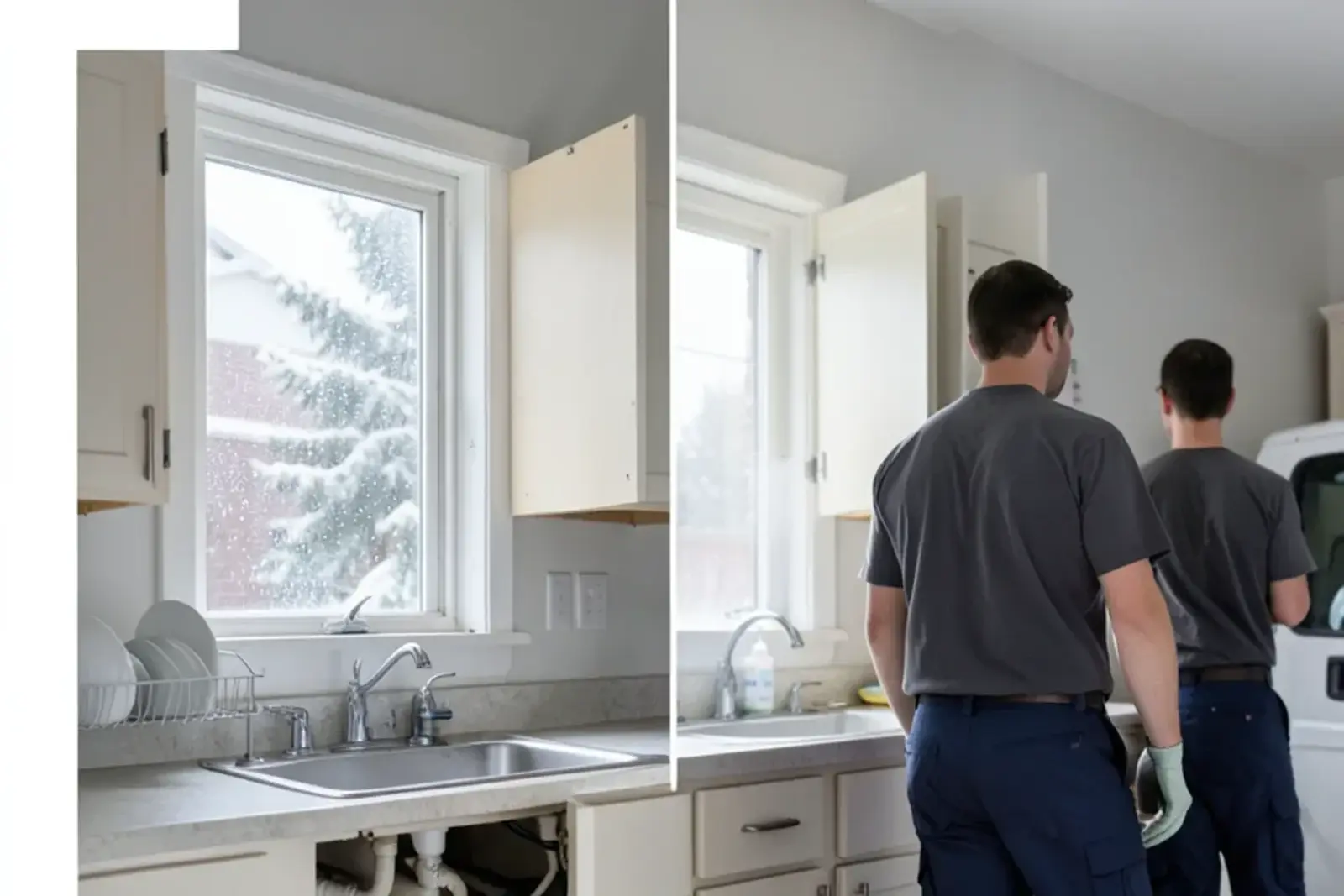
That overnight setback on a smart thermostat saves a little gas. On a below-zero night with wind, it's also the most common reason a pipe that has never frozen suddenly does.
What we see in Fraser ranches and split-levels each winter
Most Fraser houses are 1950s through 1970s ranches, split-levels and condos, and the freeze-ups follow the floor plans more than the thermostat.
Ranches and the back-wall hose faucet
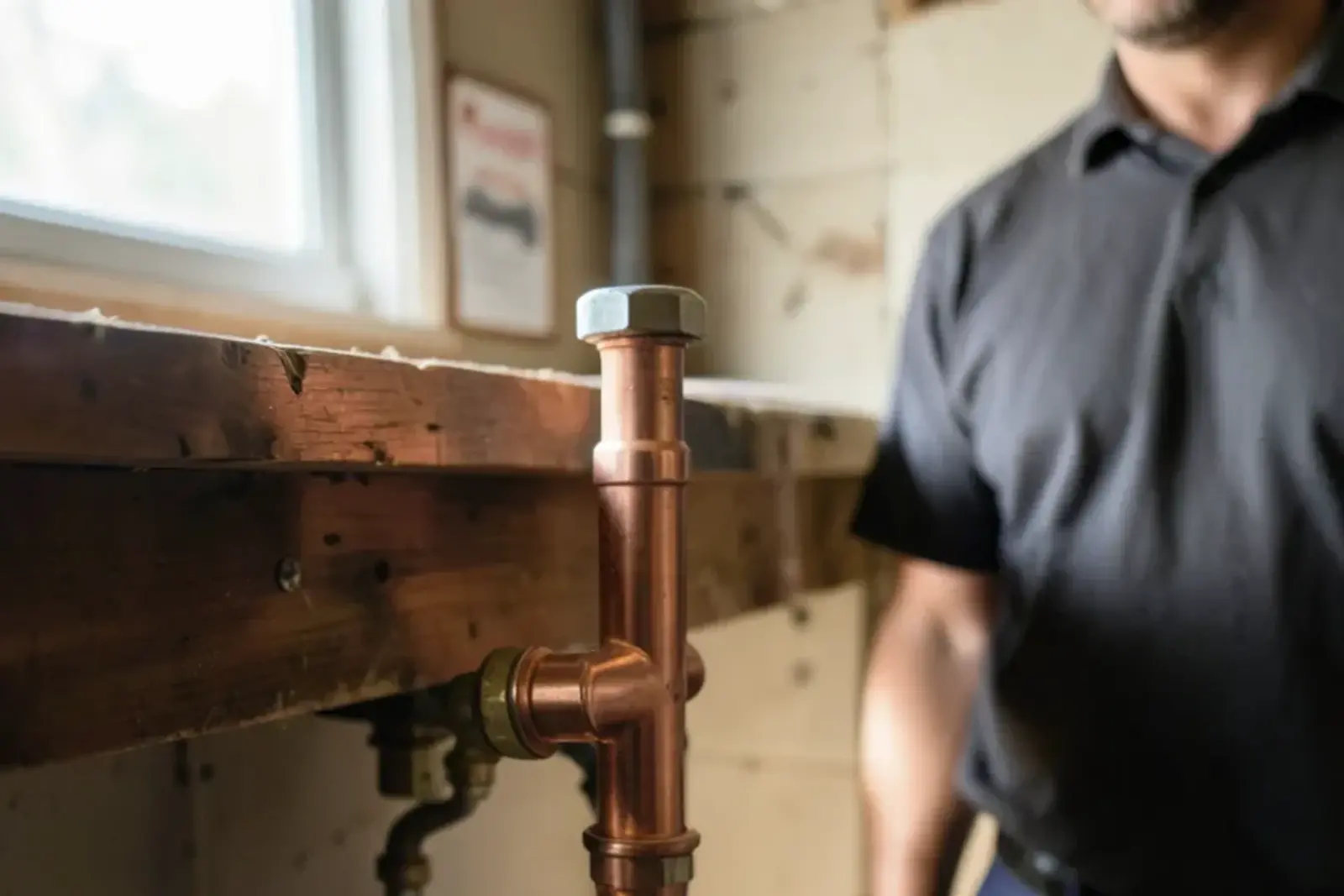
In a ranch the kitchen sink usually sits on the back wall, and the hose faucet line often runs along the same rim joist. Older hose faucets are short valves that hold water right at the siding. A frost-free faucet moves the seat several inches inside the wall, but it only drains if it was installed pitched slightly toward the outside and the hose is off. One mounted level, or left with a hose attached, splits inside the wall and usually isn't found until the first spring watering.
Split-levels and the garage ceiling
In a split-level, the supply to the room over the garage often runs through the garage ceiling joists. The insulation has to sit between the pipe and the garage, with the pipe on the heated side. We regularly find it the other way around, with the batt above the pipe, so the pipe is left in the garage's cold air with insulation keeping the house heat away.
Heat cable, with rules
For a crawl-space run that can't be kept warm any other way, a listed heat cable is a fair fix. The CPSC's guidance is specific: don't wrap it over itself or cover it with insulation unless the instructions allow it, skip foam or vinyl over it, plug it into a grounded GFCI outlet and inspect it every fall. The honest trade-off is that a cable needs power, and the outage that stops the furnace stops the cable too.
The pipe that's outside on purpose
Fraser's code wants sump discharge piped below the frost level to the storm sewer or ditch (Sec. 31-111). Older setups that run a shallow hose across the lawn are the ones that freeze solid, and they don't meet the rule anyway. Our sump pump installation and repair page covers how that line should run.
When moving the pipe beats insulating it
If the same line freezes two winters in a row, more foam won't fix it. The 2015 residential code Michigan homes are built under doesn't allow water pipes in exterior walls or crawl spaces without insulation or heat, and the lasting answer is a run moved to an interior wall. When the house is getting whole-home repiping, that's the cheapest time to route new lines away from the outside walls.
If a pipe freezes anyway
The first sign is usually a faucet that gives a thin trickle or nothing at all when the rest of the house is fine. The Red Cross points to outside walls and the spot where the water service enters through the foundation as the likely places to look.
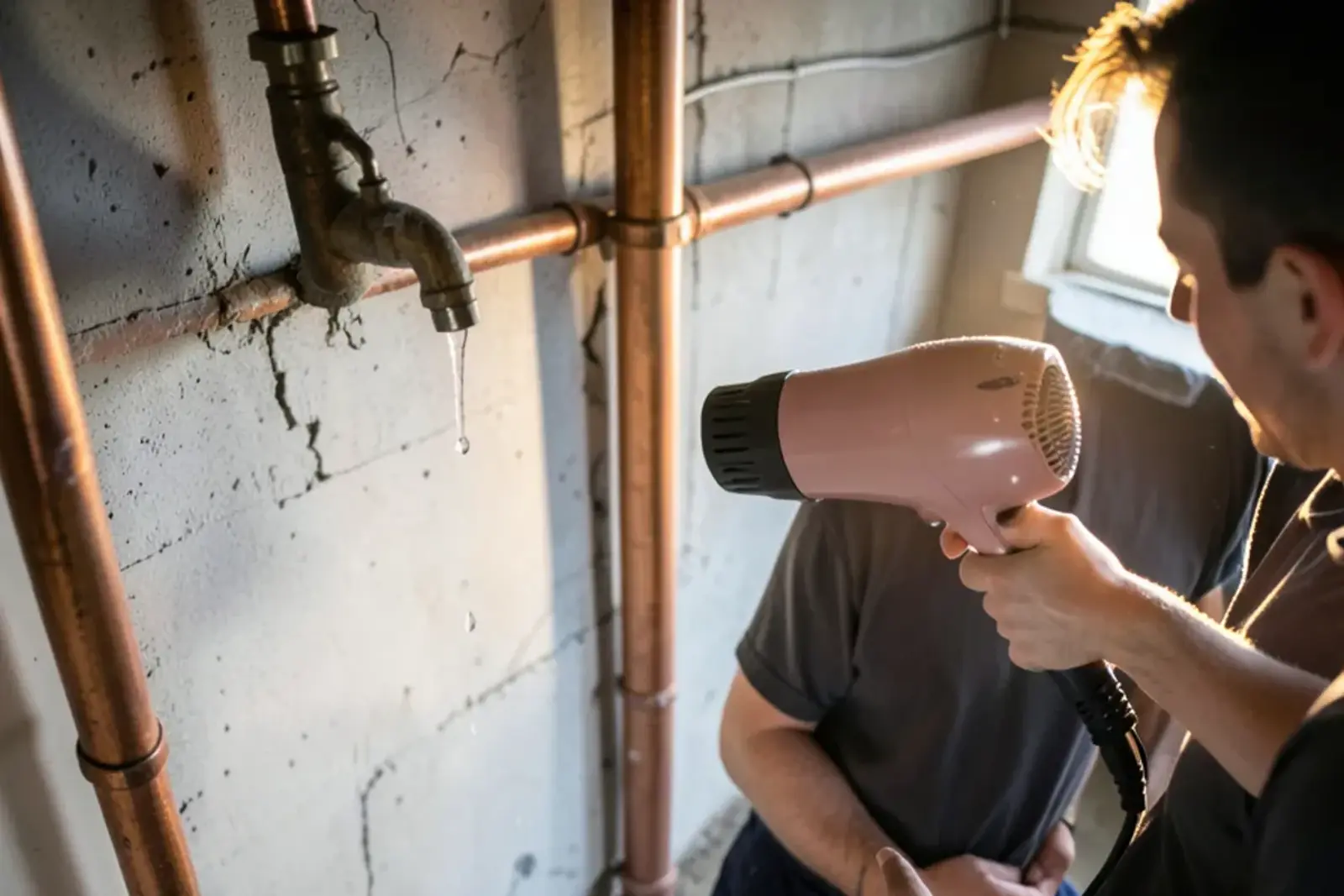
Leave that faucet open. As the ice melts, running water helps clear the rest of it. Warm the pipe gently, starting nearest the faucet and working back, with a hair dryer, a space heater kept well away from anything that can burn, or towels soaked in hot water. Never use a torch, a propane heater, or any open flame. Pipes sit next to wood framing, and that's how a frozen pipe turns into a house fire.
If you can't find the frozen section, can't reach it, or the pipe has already split, close the main valve. A frozen pipe often doesn't leak until it thaws, so a crack can stay hidden until the water starts flowing again. Our burst pipe repair in Fraser page explains what the fix looks like, and the same help reaches neighbors who need plumbers who serve Clinton Township or frozen pipe help in Sterling Heights. If water is already on the floor, follow what to do in the first 10 minutes after a pipe bursts.
Do it yourself this fall, or call a plumber?
Most of the fall list is homeowner work: sealing the rim joist, pulling hoses, sleeving pipe and turning the main valve to make sure it moves. Bring in a plumber when a line has already frozen once, when an old hose faucet should become a frost-free one, when the real fix is moving pipe off an outside wall, or when the main won't turn. October and November are the easy months to get that done, before a cold snap puts every frozen pipe in the area on the same night.
Questions about how to keep pipes from freezing
Should I let my faucets drip when it's below zero?
Yes, on faucets whose pipes run along an outside wall or through a cold space. A thin, steady trickle from both hot and cold is enough. Moving water is much harder to freeze, and an open faucet also relieves the pressure that builds between an ice plug and a closed tap. You don't need to run every faucet in the house.
What temperature should I leave the house at if I travel in winter?
The American Red Cross says to leave the heat on and set no lower than 55 degrees. Shut the main water valve before you go and open a faucet to relieve pressure, so a break can't keep feeding water while you're away. Ask someone to check the house during a long cold stretch.
Is heat tape safe to use on water pipes?
It can be, if it's a certified product installed exactly by its instructions. The Consumer Product Safety Commission has tied faulty heat tapes to about 1,500 home fires a year. It advises a UL, CSA or FM listed tape, a grounded GFCI outlet, no wrapping the tape over itself unless the maker allows it, and a check every fall for charring, cracks or bare wire.
How do I winterize the plumbing in a vacant house?
Shut the main valve, then open a top-floor faucet and the lowest faucet in the house so the lines drain. Turn off the water heater and drain it if the heat will be off, and flush each toilet. Traps and bowls still hold water, so a plumber adds plumbing antifreeze to them. Check your policy too; the NAIC notes insurers may require the water off in a vacant home.
Can PEX pipe freeze?
Yes. PEX stretches more than copper, so it often survives a freeze that would split a copper line, but the water inside still freezes and stops flowing. The brass or plastic fittings at each end don't stretch, and that's where a frozen PEX run usually fails. Treat PEX in a cold wall the same way you would treat copper.
Fraser plumbing services for this problem
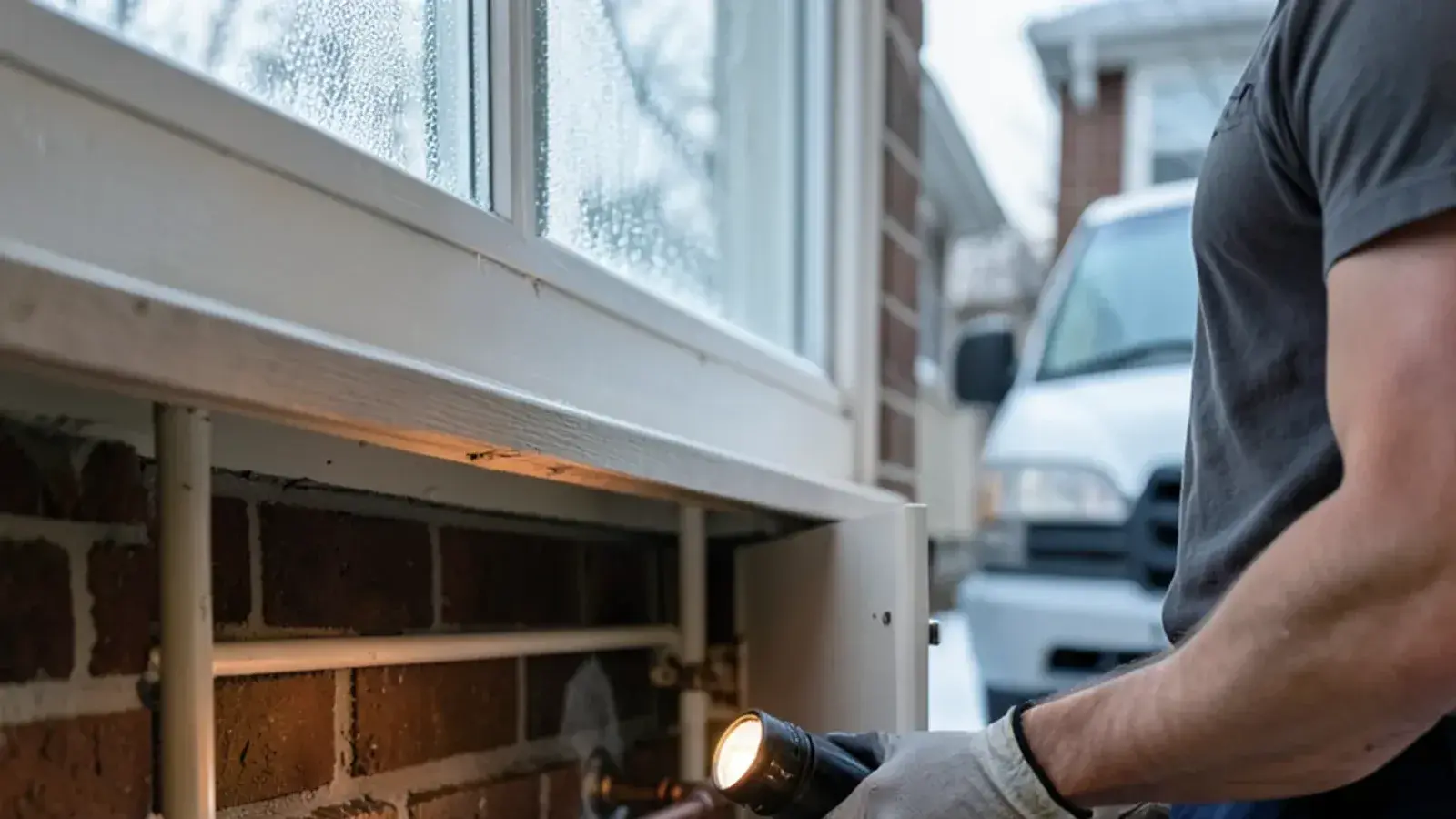
Burst and frozen pipe repair
Splits found and fixed, and the cold-wall run moved or insulated so it doesn't freeze again
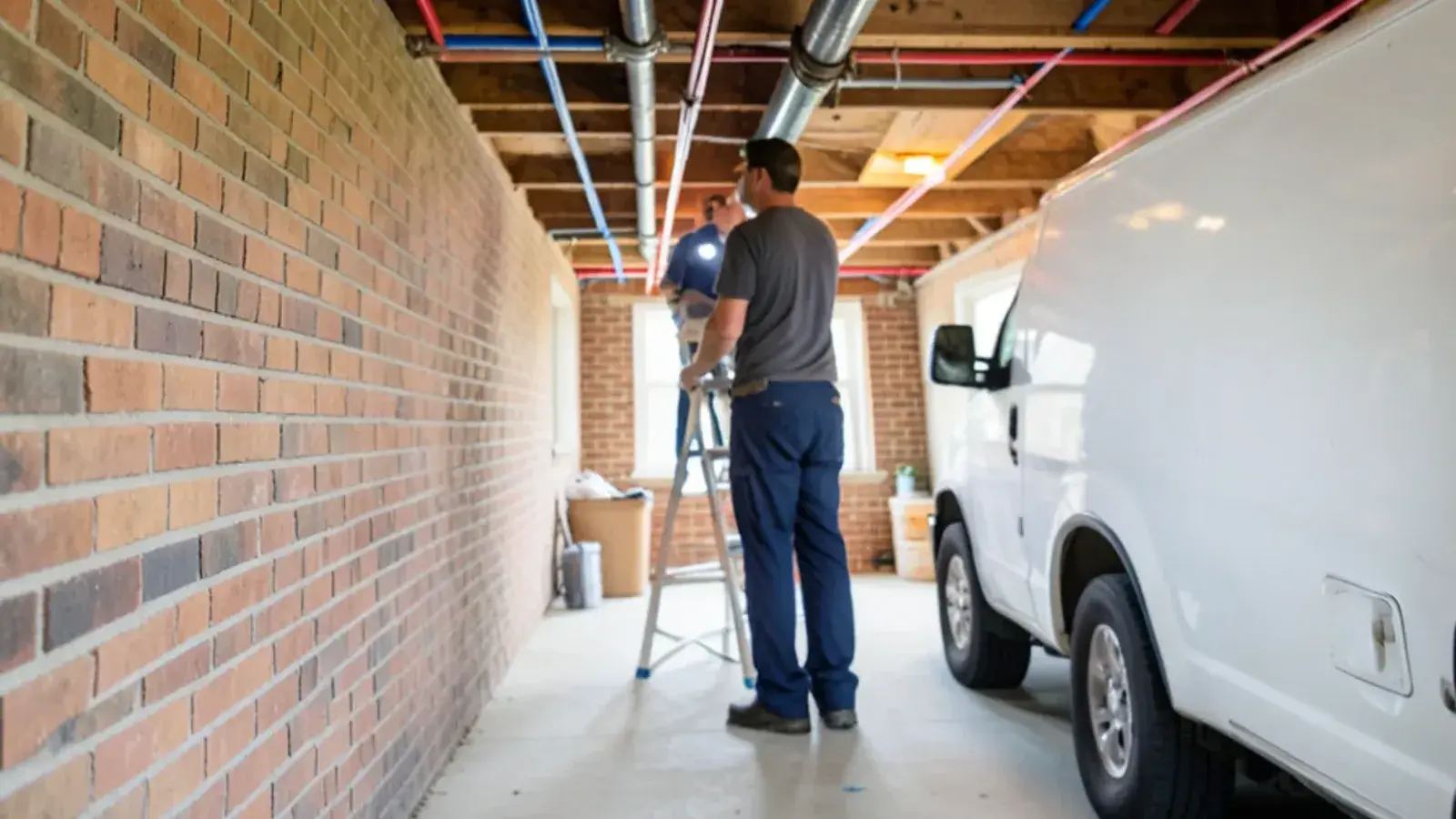
Whole home repiping
Every supply line replaced meter to faucet, with walls opened only where the new pipe runs
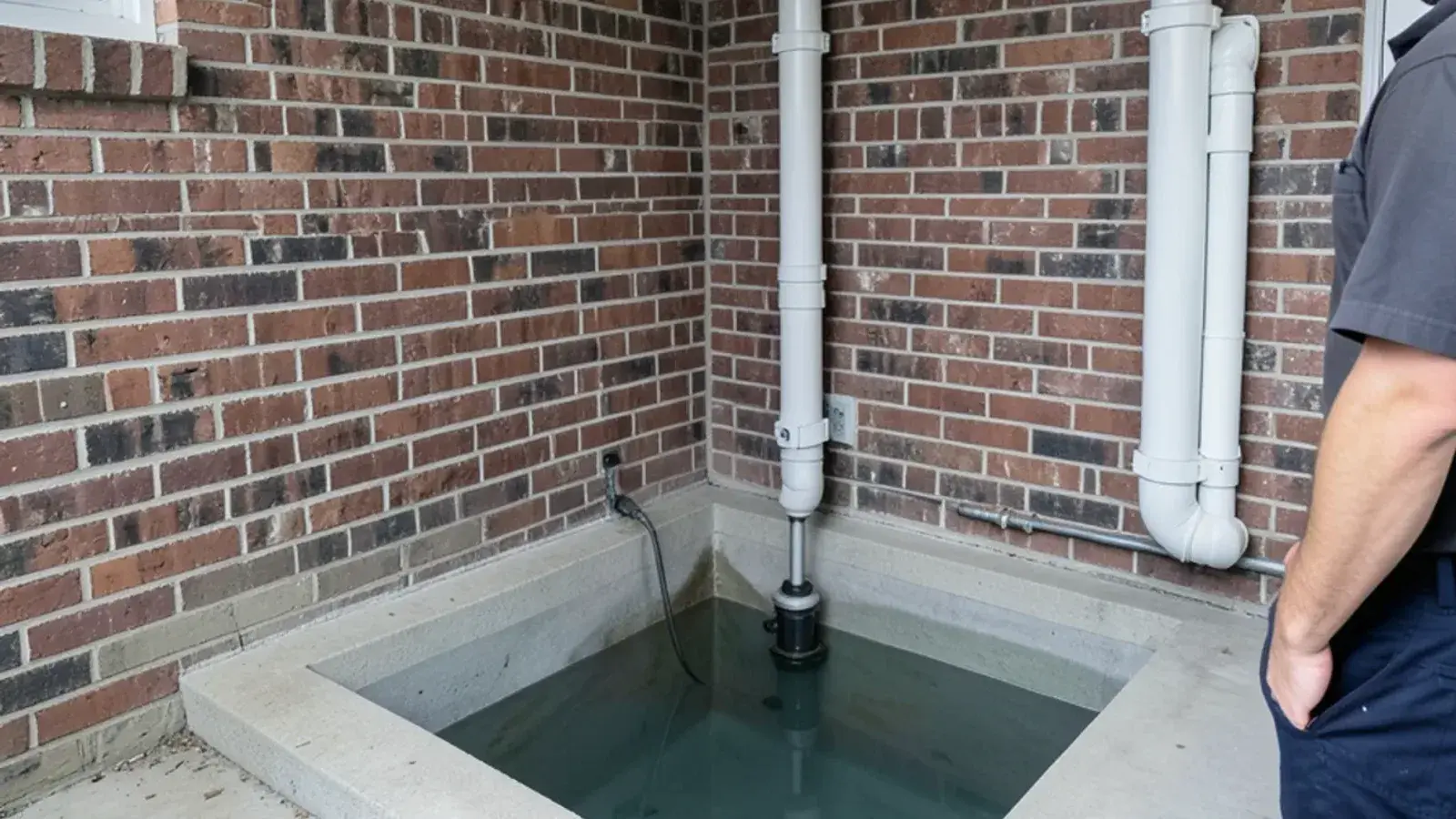
Sump pump installation and repair
Pump, check valve and discharge set up to Fraser's storm-sewer rule, with backup options