
By Plumber in Fraser, MI, Fraser, MI · Published · Last updated
The backwater valve vs sump pump decision is easier once you know there are two separate kinds of water trying to get into your basement. Sewer water comes back up the pipes from the street. Groundwater comes in through and under the foundation. Each device stops one of them, and neither does the other's job.
Two kinds of basement water
Sewer backflow happens when the public sewer or your lateral fills past the level of your basement drains. The water flows backward up the building drain and out through the floor drain, a basement toilet, or a shower. It's gray or brown and it smells.
Groundwater is rain and snowmelt soaking down around the foundation. Footing drains, a ring of perforated pipe beside the footings, collect it. Where that water goes next depends on the house. In some it runs to a sump pit, and in others it was tied into the floor drain or the building drain under the slab.
| Question | Backwater valve | Sump pump |
|---|---|---|
| What water does it handle? | Sewage flowing backward from the sewer | Groundwater from footing drains and under the slab |
| Where is it? | In the building drain, usually under the basement floor | A pit in the basement floor, low point of the drain tile |
| How does it work? | A flap or gate closes when flow reverses | A float starts a pump that pushes water outside |
| Does it need power? | No | Yes, or a battery or water-powered backup |
| What it can't do | Remove groundwater | Stop sewer water coming up a drain |
| Upkeep | Open the access cover and clean the flap | Test the float, the check valve and the outlet |
What a backwater valve does and doesn't do
A backwater valve sits in the building drain, the main pipe that carries everything from the house out to the lateral. Normal flow pushes the flap open. When water tries to come back the other way, the flap swings shut against its seat and holds it out.
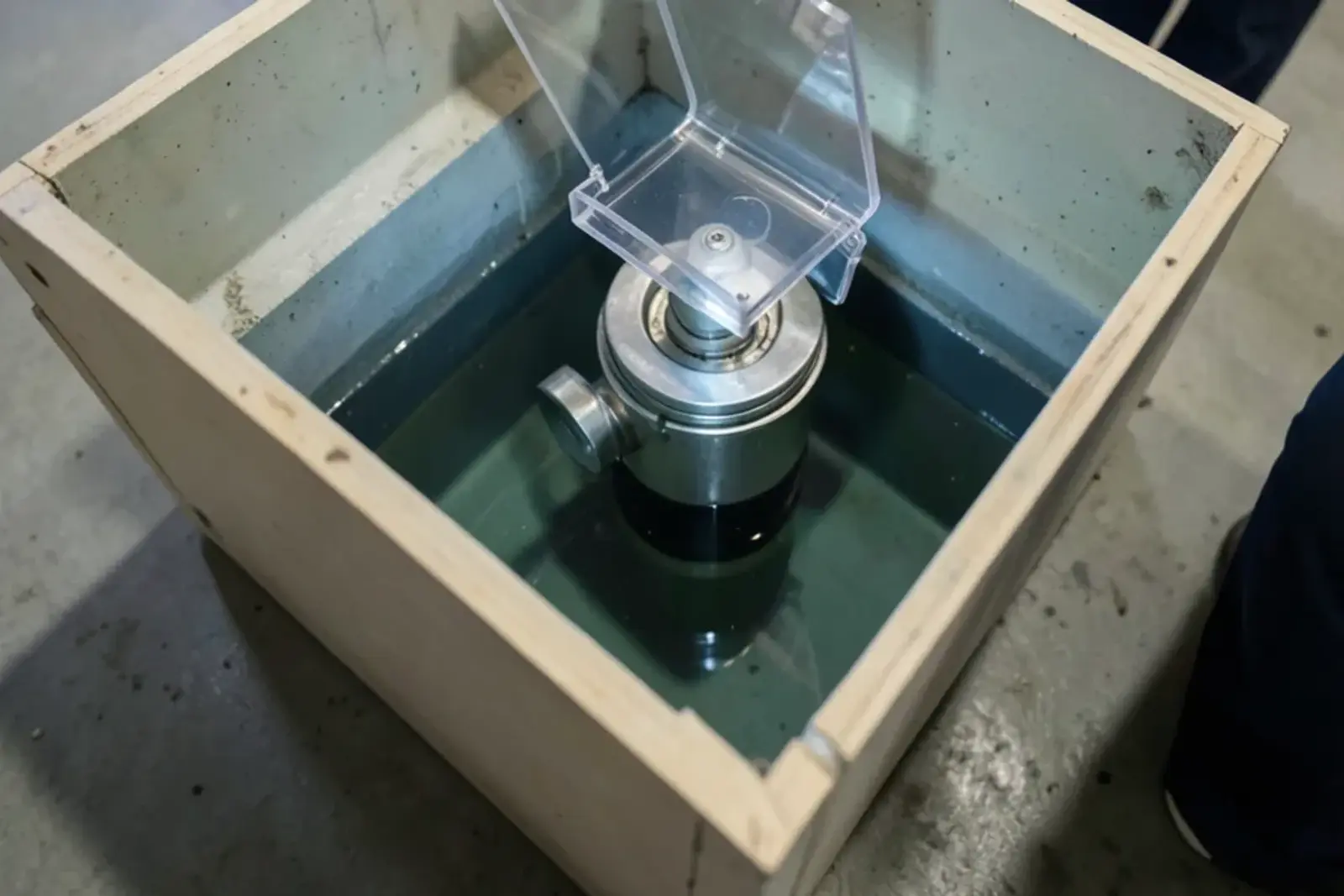
Section 714.1 of the Michigan Plumbing Code is direct about when one is needed. Where fixtures are on a floor with a finished elevation below the manhole cover of the next upstream manhole on the public sewer, those fixtures shall be protected by a backwater valve. Fixtures on floors above that manhole cover shall not drain through the valve, though the code makes an exception for existing buildings. In practice that means the valve protects the basement drains, and the upstairs plumbing ideally bypasses it, so the house can still drain while the valve is closed. That section is the commercial code; for one- and two-family homes, Michigan still uses the 2015 residential code, and its section P3008.1 sets the same trigger and also requires the valve to stay accessible.
Two limits matter. First, while the valve is closed, anything draining into the pipe upstream of it stays in your house. Second, if your footing drains are tied into the building drain upstream of the valve, closing the valve also traps the groundwater, and it can come up through the floor drain anyway. That's the case where a house needs both devices.
What a sump pump does and doesn't do
A sump pump moves groundwater. Footing drains feed a pit, and when the water rises, a float turns the pump on and it sends the water through a discharge line outside. Under the code, the pit needs a diameter of 18 inches or more and a depth of 24 inches or more, and a house with one or two units needs a check valve on the pump's discharge pipe.
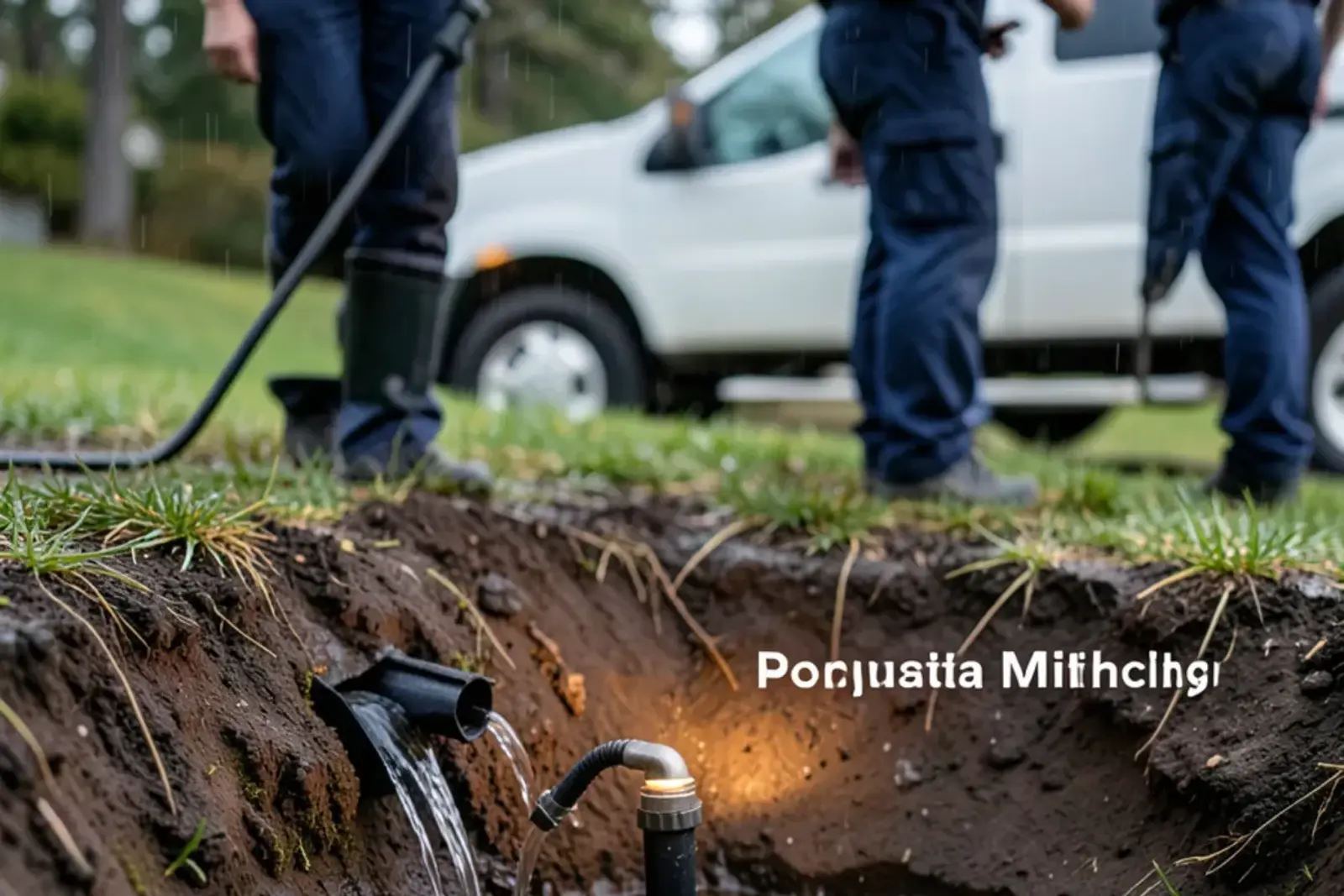
A sump pump has no connection to the sewer. If the sewer surcharges, the pump keeps working, but sewage still comes up the floor drain. And a sump that discharges into a laundry tub or floor drain makes the backup worse. The same code bars storm water from sewers meant for sewage alone, so the discharge belongs outside.
Which one does your house need?
Start with what you've seen.
Only clear water at the walls or floor cracks
That's groundwater. Check the sump, the discharge line and the grading. If the pump is old or missing, our page on sump pump installation and repair in Fraser covers replacement.
Dirty water from a drain during storms
That's sewer backflow. Get a sewer line inspection in Fraser before buying anything. The camera shows whether your lateral is cracked, rooted or sagging, and it shows where the footing drains connect. If the lateral is sound and the backups track with heavy rain, a backwater valve is the usual answer.
Both, or clear water rising through the floor drain
That points to footing drains tied into the sanitary drain. The fix is often a backwater valve on the building drain plus rerouting the footing drains to a sump, so groundwater has its own way out while the valve is closed.
What we see in Fraser basements weighing the two
The question we hear most is which one to buy first, and in Fraser the city code answers part of it. Since 1966 (Ord. 74), Fraser has barred footing drains, weep tile and downspouts from the sanitary sewer, and where groundwater can't drain by gravity the owner needs a sump (Sec. 31-111 to 31-113). A house built before then is the likeliest to still have its footing drains tied to the floor drain, which is exactly the setup where a valve alone can trap groundwater under the slab.
A third device people mix up
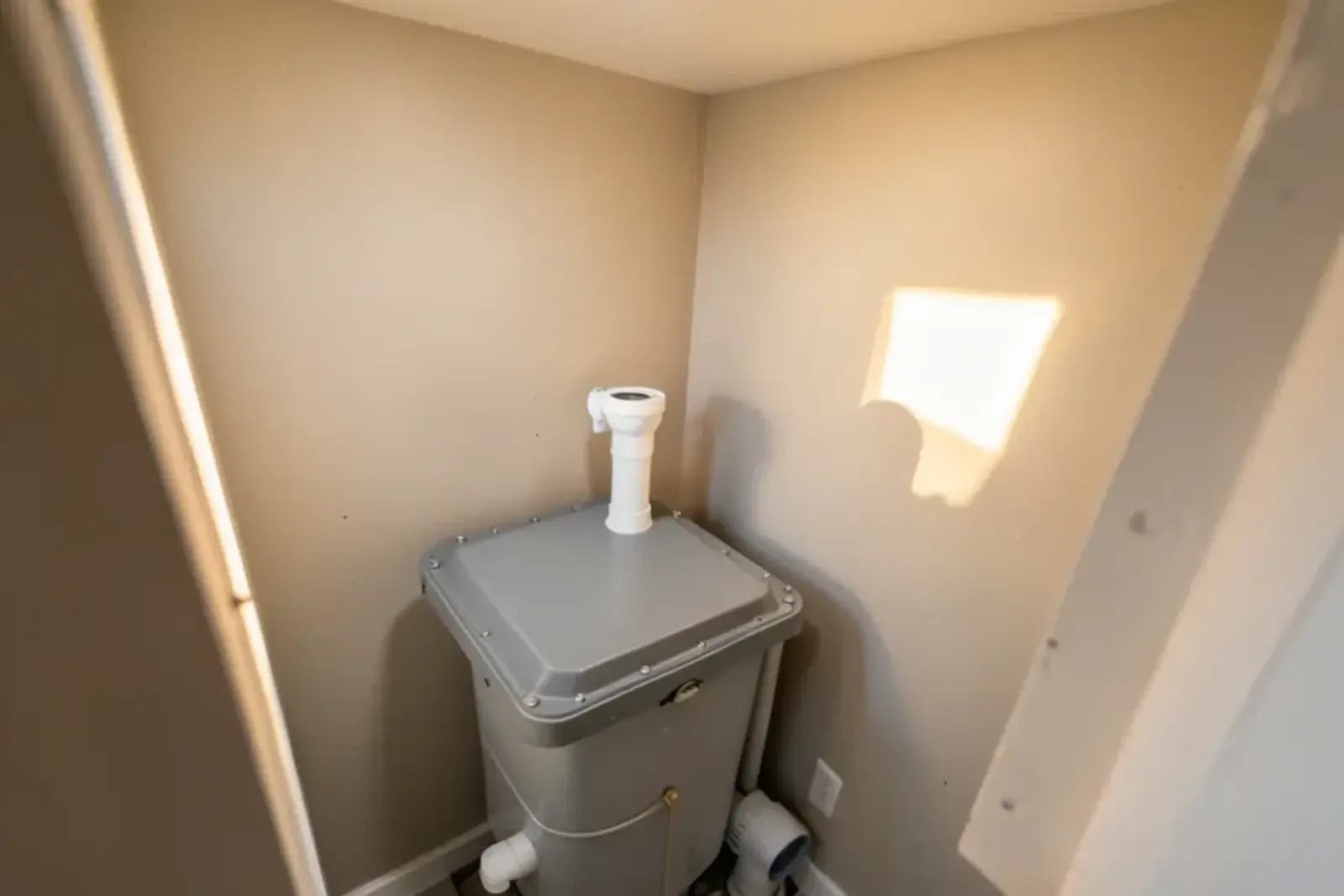
A basement bathroom below the sewer line drains to a sewage ejector, not a sump. The ejector basin is sealed and vented because it handles sewage, and the residential code requires that kind of covered, vented sump for drainage that can't flow by gravity (P3007.1). If the only pit in the basement has a loose lid and a toilet drains into it, that's worth a look.
Standpipes and plugs are stopgaps
A threaded standpipe or a floating-ball plug in the floor drain is cheap and can buy time. It protects that one opening, though. Sewer water still rises to the next-lowest fixture, and a standpipe left in place blocks the drain you need when the water heater leaks.
Questions to ask before a valve goes in
- Where do the footing drains connect, and does the camera footage show it?
- Will the valve protect the whole building drain or only the basement branch?
- Where will the access box sit, and can it stay uncovered by flooring?
- Who pulls the permit, and when is the inspection?
- Which drains can't be used while the valve is closed during a storm?
What installing a backwater valve involves
In a finished house, the valve goes into the existing building drain under the basement floor. That means locating the drain with a camera, cutting and removing a section of the slab, cutting the pipe, setting the valve level and with flow in the right direction, and pouring the floor back with an access box over the top. The code requires access to the valve's working parts, so it can't be buried. Expect the work to need a plumbing permit and inspection; your city's building department can confirm.
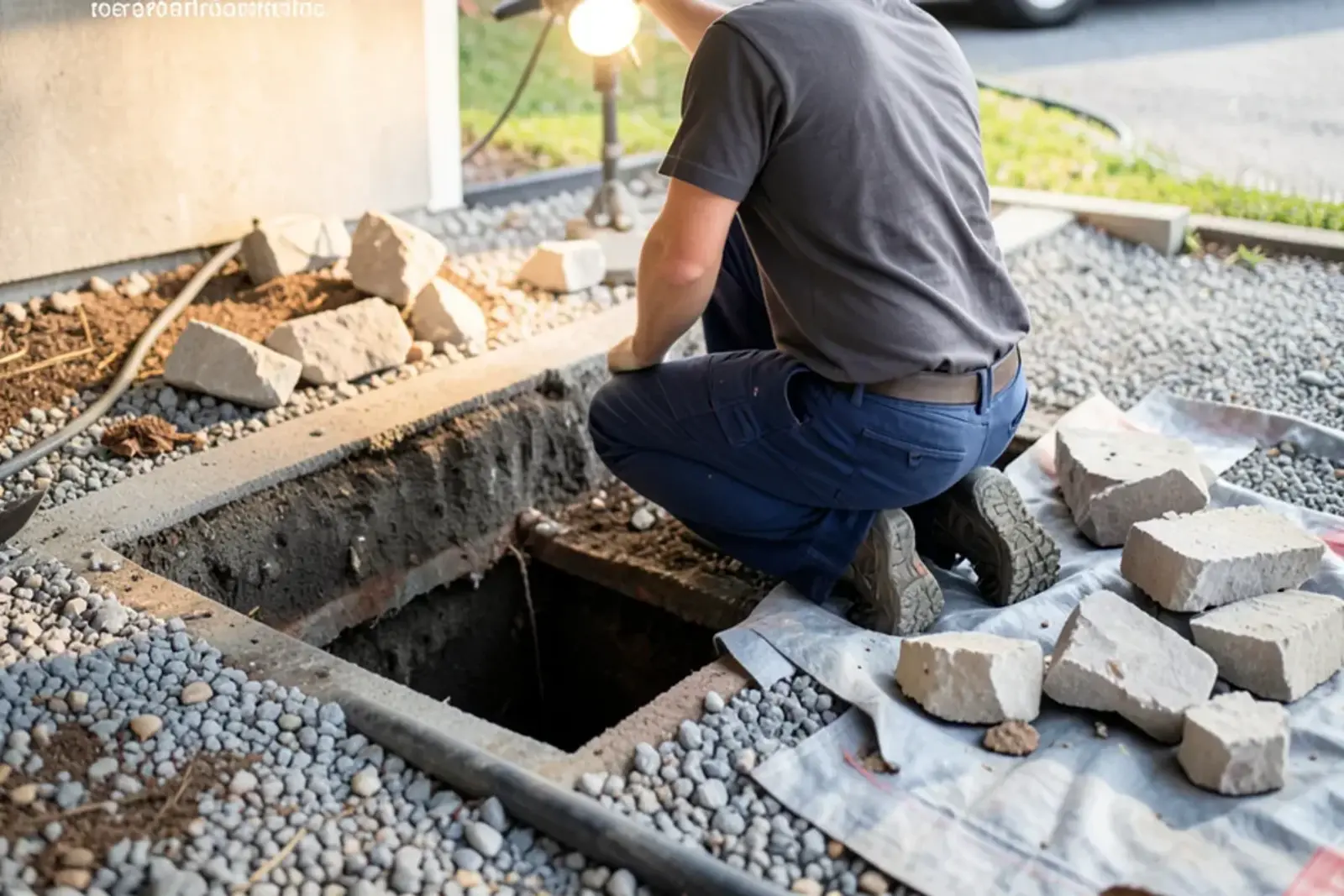
The costs come from depth, the drain's material and condition, how far the drain runs under finished floor, and whether footing drains need to be rerouted to a sump at the same time. If you live south of Fraser, our page for plumbers who work in Eastpointe covers how we handle basements and sewer laterals there. If you're still sorting out where the water is coming from, start with our guide to floor drain backups in heavy rain.
Before you pay for either one
Get the camera run first. It tells you whether the lateral is sound, where the footing drains go and how deep the building drain sits, and those three answers decide the order. A broken or collapsed lateral comes first, because no valve protects a house whose own line can't carry its wastewater; that's a job for sewer line replacement. A sound lateral with storm-only backups points to a valve. Clear water at the walls points to the sump. If the footage shows footing drains on the sanitary side, plan both together so the floor is only opened once.
Questions about backwater valve vs sump pump
Do I need a backwater valve if I already have a sump pump?
If your basement has only had clear groundwater seeping in, your sump may be all you need. If sewer water has ever come up through a floor drain, shower or basement toilet, a sump pump won't stop that. The backwater valve is the device that blocks sewer backflow, and many basements end up with both.
Does a backwater valve need maintenance?
Yes. Open the access cover once or twice a year and make sure the flap or gate moves freely and closes against its seat. Paper, grease and debris can hold a flap partly open, and a valve that can't close won't protect anything. The Michigan Plumbing Code requires the valve to be installed with access to its working parts for that reason.
Does Fraser help pay for a backwater valve?
No, not that we could find. Fraser's code has no backwater valve ordinance, and neither the city nor Macomb County lists a rebate or cost-share program, so the decision and the cost are the owner's. What the city does regulate is the groundwater side. Footing drains and downspouts may not go into the sanitary sewer, and sump water has to be piped to the storm sewer or the front ditch.
Is a sewage ejector the same thing as a sump pump?
No. A sump pump moves groundwater out of an open pit. A sewage ejector sits in a sealed, vented basin and lifts wastewater from a basement toilet, shower or laundry up to a sewer line that's higher than those fixtures. Mixing them up causes problems, because sewage should never go into a sump pit, and groundwater pumped into an ejector sends clean water into the sanitary sewer.
Can I use my basement bathroom when the backwater valve is closed?
Not much. When the valve is closed, water from fixtures upstream of it has nowhere to go and can rise into the basement. During a storm, hold off on laundry, showers and flushing until the sewer drops and the valve reopens. An overflow from your own fixtures is small, but it's still sewage on the floor.
Fraser plumbing services for this problem
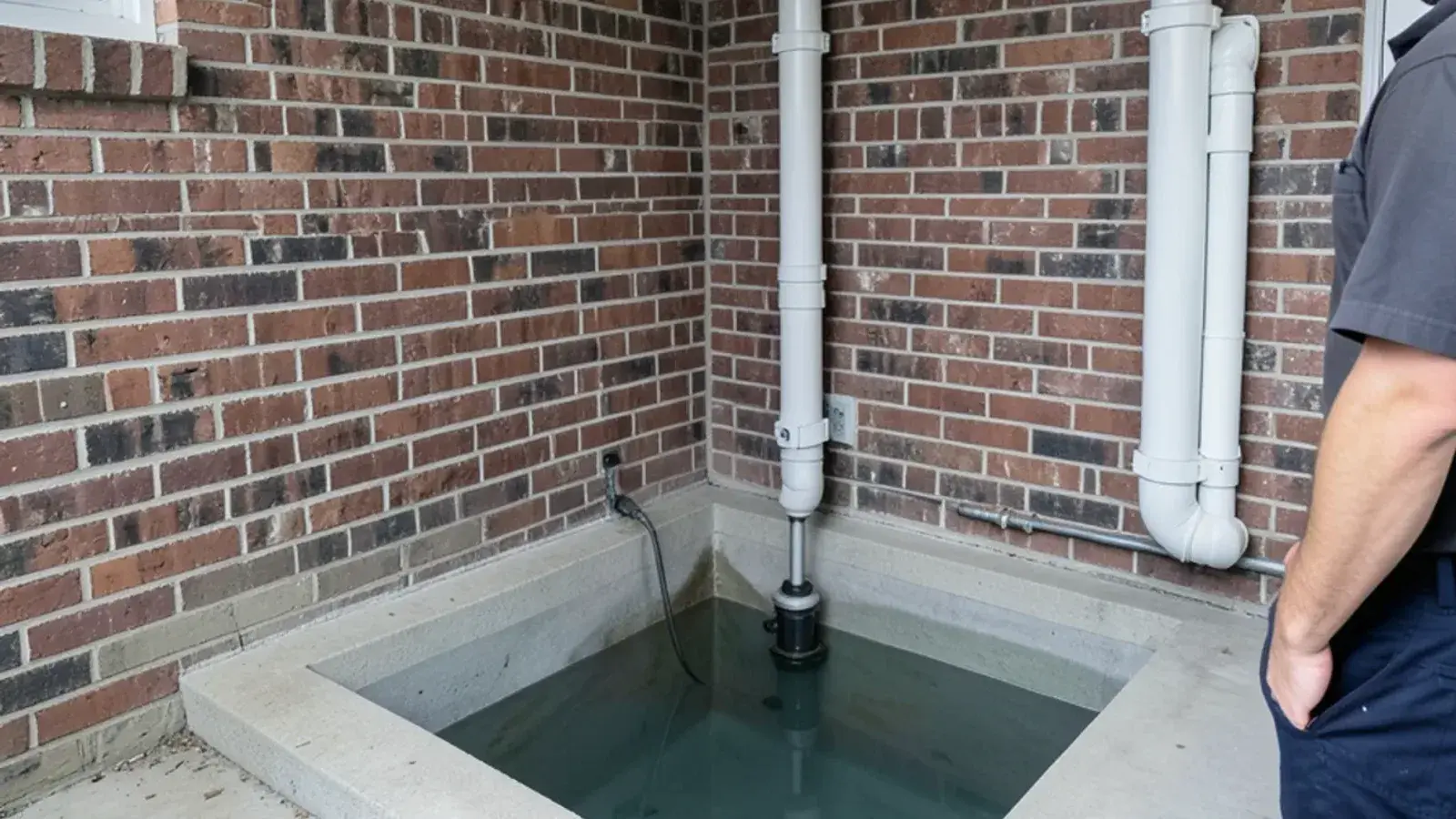
Sump pump installation and repair
Pump, check valve and discharge set up to Fraser's storm-sewer rule, with backup options
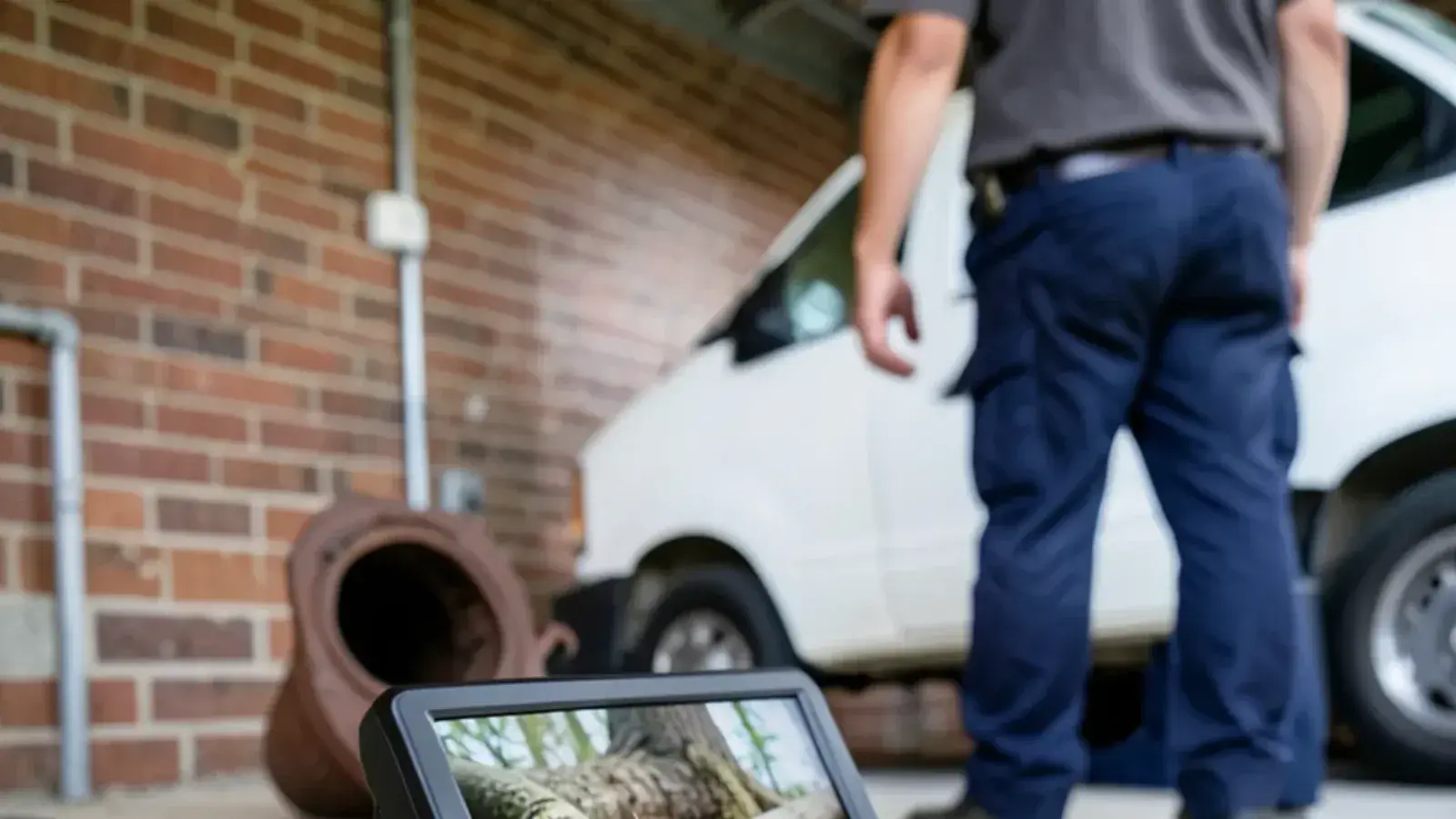
Sewer inspection and line repair
Live camera footage of your lateral, with defects located and marked from the surface
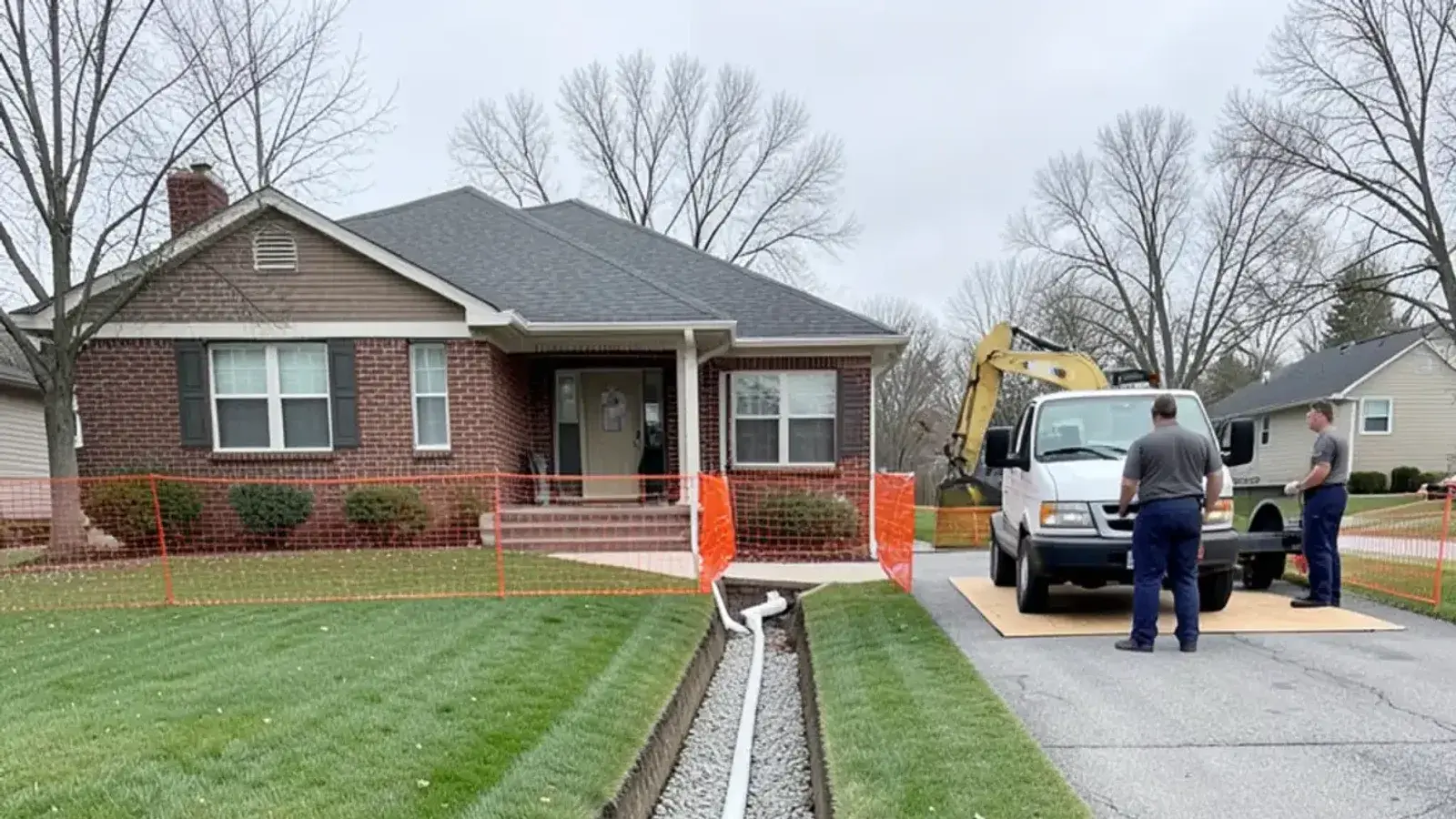
Sewer line replacement
Open trench, pipe bursting or lining, chosen from the camera footage instead of a sales pitch